What Is E-Liquid? Detailed Guide to Electronic Cigarette Liquid
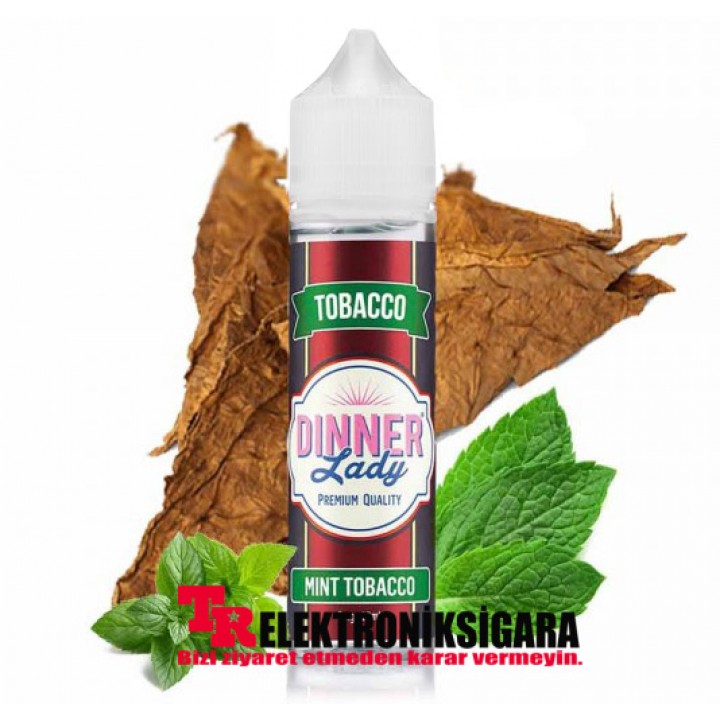
E-liquid (or e-juice) is the liquid used in vape devices that is heated by a coil to create an aerosol. The term “e-liquid” stands for electronic liquid and represents one of the core components of the vaping experience.
The coil inside the vape device heats the e-liquid absorbed into the cotton wick. The resulting aerosol produced by this heating process is inhaled by the user through the mouthpiece.
Although ingredients may vary depending on the product, e-liquids primarily consist of VG (Vegetable Glycerin), PG (Propylene Glycol), flavorings, and, depending on the product, nicotine.
What Is Inside E-Liquid?
The proportions of ingredients in an e-liquid directly influence its performance and user experience. The primary components you will generally encounter are:
- VG (Vegetable Glycerin)
- PG (Propylene Glycol)
- Flavoring
- Nicotine – may or may not be present depending on the product
What Is VG?
VG (Vegetable Glycerin) is one of the main carrier components in e-liquids and features a thicker, higher-viscosity structure compared to PG.
E-liquids with a high VG ratio are generally thicker in consistency. High-VG liquids are especially common in high-wattage sub-ohm devices.
What Is PG?
PG (Propylene Glycol) is the other foundational carrier base used in e-liquids. It has a thinner, less viscous structure than VG.
The PG/VG ratio within an e-liquid can vary based on the device, coil type, and liquid formulation being used.
What Does the VG / PG Ratio Mean?
On e-liquid bottles, you will frequently see ratios such as 50VG/50PG, 60VG/40PG, or 70VG/30PG. These numbers indicate the percentage of Vegetable Glycerin relative to Propylene Glycol in the blend.
For instance, in an e-liquid labeled 70VG/30PG, VG makes up the majority of the mix. In 50VG/50PG products, the two base components are present in equal amounts.
Choosing the right VG/PG ratio is not merely a matter of personal preference; it must be evaluated alongside your coil setup and device wicking capabilities.
Which Devices Are High-VG E-Liquids Used In?
E-liquids with high VG ratios have a thicker viscosity. For this reason, they are most commonly preferred in sub-ohm coil setups featuring large cotton wicking ports and fluid channels capable of rapidly feeding thick liquid.
Using overly viscous e-liquids in certain high-resistance MTL coils with small wicking ports can prevent the cotton from saturating quickly enough, leading to dry hits. Device and coil compatibility should always be taken into account when choosing e-liquid.
What Is 50VG / 50PG E-Liquid?
50VG / 50PG refers to an e-liquid composition where VG and PG are balanced in equal proportions. This ratio is particularly common in smaller low-wattage coil setups and pod systems.
However, there is no strict rule stating that every pod system will only work with 50/50 liquids or that other ratios cannot be used. Always consult manufacturer guidelines for the specific device and coil in use.
What Is E-Liquid Flavoring?
Flavoring is the component responsible for creating the taste profile of an e-liquid. A wide variety of flavor categories exist on the market:
- Tobacco flavors
- Fruity flavors
- Sweet and dessert/bakery flavors
- Menthol and cooling/icy flavors
- Beverage flavors
- Complex blend profiles
Flavor selection depends entirely on personal taste preferences. An e-liquid profile that one user thoroughly enjoys may not appeal to another.
What Is Nicotine in E-Liquid?
E-liquids can be manufactured with varying concentrations of nicotine or completely nicotine-free. Nicotine strength is typically indicated on the bottle in mg/ml or as a percentage.
When selecting a nicotine level, you must consider both the numeric strength and the type of device/e-liquid being used. The same nicotine strength can feel significantly stronger or weaker depending on the device hardware.
Nicotine is an addictive substance.
What Is the Difference Between Salt Nicotine and Freebase E-Liquid?
The main categories of nicotine used in e-liquids are freebase (traditional) nicotine and nicotine salt (salt nic).
While nicotine salts are generally associated with low-power pod devices, the type and level of nicotine suitable for high-wattage sub-ohm systems must be evaluated separately.
In particular, using high-concentration salt nic liquids in high-wattage direct-lung (DL) devices is not recommended. Always ensure proper matching between your liquid type and device specs.
What Is Premium E-Liquid?
The term “Premium E-Liquid” typically refers to commercial e-liquids produced by established brands with predefined flavor recipes and strict VG/PG manufacturing standards.
The designation "premium" does not guarantee that a specific product will suit everyone's personal palate, as flavor perception remains inherently subjective.
CLICK HERE to explore premium e-liquid varieties.
What Should You Consider When Choosing an E-Liquid?
When selecting an e-liquid, you should evaluate more than just flavor profile; pay close attention to your vape device and coil specification:
- VG / PG ratio
- Nicotine strength
- Freebase vs. nicotine salt formulation
- Device style (MTL, RDL, or DL)
- Coil resistance (Ohms)
- Manufacturer-recommended usage parameters
- Flavor profile preference
Why Is E-Liquid and Coil Compatibility Important?
The cotton inside a coil absorbs e-liquid at a specific rate based on liquid viscosity. If an e-liquid is too thick or too thin for a coil's wicking ports, it can lead to dry burns or flooding/leaking.
Therefore, small mouth-to-lung (MTL) coils and large sub-ohm coils should not be assumed to have the same e-liquid requirements.
Why Does E-Liquid Darken Over Time?
E-liquids can naturally change color over time. Nicotine-containing products in particular undergo color shifts due to natural oxidation, light exposure, and ambient temperature.
Additionally, liquid sitting inside a tank may darken as residue buildup from the coil leaches back into the surrounding liquid.
How Should E-Liquid Be Stored?
E-liquids should not be exposed to extreme heat, freezing conditions, or direct sunlight for extended periods.
Storing bottles tightly sealed at normal room temperature away from direct light helps preserve flavor stability and chemical integrity.
All e-liquids—whether containing nicotine or nicotine-free—must be kept securely out of reach of children and pets.
Most Common E-Liquid Mistakes
- Using an incompatible VG/PG ratio for the device setup
- Vaping high nicotine strengths in high-power sub-ohm devices
- Firing a device immediately after filling a brand-new coil
- Allowing the tank or pod to run completely empty
- Leaving liquid bottles exposed to direct sunlight or extreme heat
- Assuming every liquid type works identically across all devices
First Use with New Coils and E-Liquid
When installing a new coil or brand-new pod cartridge, avoid firing the device immediately after filling it with e-liquid.
Waiting roughly 10 to 15 minutes allows the cotton wick to become fully saturated with liquid, preventing premature coil burnout and dry hits right from the start.
How Should E-Liquid Recommendations Be Evaluated?
Determining a single "best e-liquid" is virtually impossible due to the subjective nature of taste. What one person considers an ideal flavor profile may not appeal to someone else.
While user reviews offer helpful guidance, your final choice should always be tailored to your personal taste preferences and device specifications.
Frequently Asked Questions About E-Liquid
Is e-liquid considered the fuel of a vape?
While often described that way colloquially, e-liquid does not burn or generate combustion energy. Technically, it is the liquid medium vaporized by a heated coil to create aerosol.
Can e-liquid be nicotine-free?
Yes. Nicotine-free (0mg) e-liquids are widely available on the market.
Can any e-liquid be used in any vape device?
No. VG/PG ratio, nicotine type/strength, and liquid viscosity must match your device hardware and coil resistance.
Does higher VG make e-liquid darker?
Higher VG makes the liquid thicker in viscosity. Darker color, on the other hand, is generally determined by flavoring compounds, nicotine concentration, and oxidation.
Which is more important when picking liquid: flavor or device match?
Both are essential. Flavor determines personal enjoyment, while device/coil compatibility ensures the liquid functions properly without leaking or burning out coils.
General Overview of E-Liquid
E-liquid is a core component of how vape devices operate. In general, it consists of VG, PG, flavoring, and optionally nicotine.
When choosing an e-liquid, consider not only taste profiles but also VG/PG ratios, nicotine concentration, salt vs. freebase formulations, MTL vs. DL device style, and coil compatibility.
You can explore additional informational guides on premium liquids, salt nics, VG/PG ratios, coil maintenance, and vape devices in the TRELEKTRONİKSİGARA Blog.
Notice: Nicotine is an addictive substance. E-liquids and vape products must be stored out of reach of children and pets. Always check e-liquid compatibility with your specific device and coil setup before use.