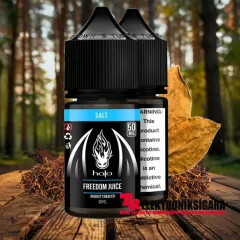
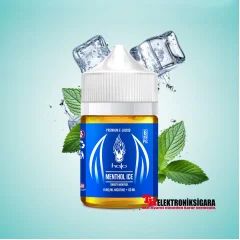
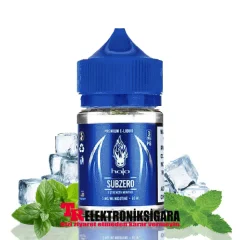
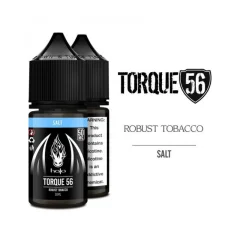
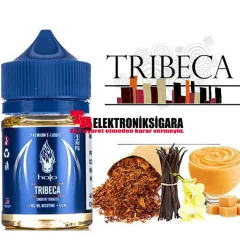
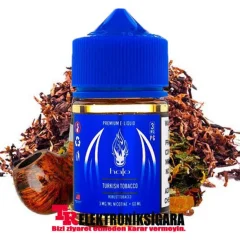
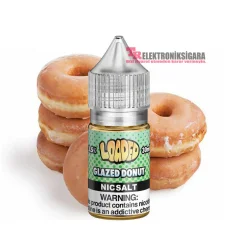
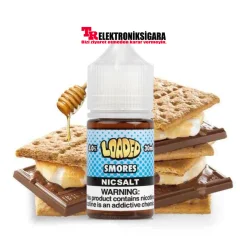
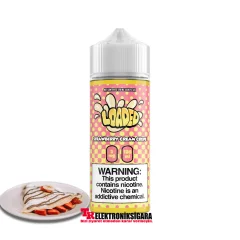
Electronic cigarette liquid is the fluid heated in the atomizer or coil section of the device to produce aerosol. Also called e-liquid, these products are produced with various flavor profiles, VG/PG ratios, and nicotine options. Choosing the right liquid based on the device used, coil resistance, and preferred vaping style is important for both flavor and the overall user experience.
The basic structure of electronic cigarette liquids usually contains VG (Vegetable Glycerin) and PG (Propylene Glycol). Depending on the product, flavorings and nicotine can be added to these. There are also options produced completely nicotine-free. The VG/PG ratio of the liquid is one of the important factors affecting its fluidity, flavor delivery, and vapor volume.
Today, there is a very wide selection of liquids available, including fruit, dessert, tobacco, menthol, ice, beverage, and various mixed flavor profiles. Additionally, there are different nicotine formulations such as Freebase liquid and Salt liquid depending on the usage style. Therefore, when making a choice, not only the flavor but also the features of the electronic cigarette device being used should be taken into account.
Electronic cigarette liquid is the fluid mixture heated by the coil inside the device. The cotton inside the coil absorbs the liquid, and when the device is activated, the heat generated by the coil turns the fluid into an aerosol. For this reason, it is important that the liquid used is compatible with the device and coil structure.
Electronic cigarette e-liquid selection should evaluate the VG/PG ratio, nicotine level, flavor profile, and the compatibility of the device with MTL or DTL use. Not every liquid may offer the same performance for every device.
One of the core distinctions encountered when choosing between electronic cigarette liquids is the difference between Freebase and Salt e-liquid. Freebase liquids have a classic nicotine formulation and can be produced in various VG/PG ratios. Options with high VG ratios are especially common in products intended for sub-ohm and DTL use.
In salt liquids, a nicotine salt formulation is used. These products are mostly formulated for use with pod and MTL devices operating at low wattage values. Therefore, rather than looking only at the nicotine value when choosing a liquid, whether the product is Freebase or Salt and the specifications of the device to be used should be evaluated together.
Values seen on liquids such as 70VG/30PG, 60VG/40PG, or 50VG/50PG represent the VG and PG ratios of the fluid. As the VG ratio increases, the liquid generally takes on a thicker consistency and becomes suitable for higher vapor production. PG, on the other hand, has a thinner structure and is effective in carrying flavor characteristics.
For example, liquids with high VG ratios are generally preferred in sub-ohm devices operating at higher wattage values, while more balanced blends like 50VG/50PG can be more compatible with many low-wattage MTL and pod systems. For a definitive choice, the recommendations of the coil and device manufacturer should be taken into account.
E-liquid varieties are distinguished not only by their nicotine ratio but also by their flavor profiles. Since users have different palates, it is not possible to consider a single flavor as the best choice for everyone.
While strawberry, watermelon, mango, grape, apple, and tropical fruit blends stand out in fruit flavors; the dessert category features custard, vanilla, cream, cake, and various bakery flavors. Alongside these, tobacco, menthol, ice, and beverage-flavored liquid options can also be chosen.
MTL (Mouth To Lung) usage is characterized by a tighter airflow and lower vapor production. More balanced VG/PG ratios suited to the coil structure used in MTL devices are preferred. In pod systems, Freebase or Salt liquids can also be used depending on the device and coil specifications.
In DTL (Direct To Lung) usage, a more open airflow, lower resistance coils, and high vapor production are prominent. Freebase liquids with high VG ratios are mostly preferred in such sub-ohm systems. Because excessively thick or excessively fluid liquids can cause wicking or leaking problems in some coils and tanks, device compatibility is important.
When evaluating buy e-liquid options, attention should first be paid to the electronic cigarette device and coil features being used. Whether the liquid is Salt or Freebase, its nicotine level, VG/PG ratio, bottle volume, and flavor profile are the core characteristics to evaluate during selection.
Additionally, it is important that the brand and packaging information of the product are clear. Choosing original products from well-known manufacturers makes it easier to accurately track information such as product ingredients, VG/PG value, and nicotine ratio.
E-liquid prices can vary depending on the brand, product series, bottle volume, country of production, and whether the product is Salt or Freebase. Price differences can also exist between different series and volumes of the same brand.
Therefore, when choosing an electronic cigarette liquid, instead of evaluating solely based on price, it will be more accurate to examine the product's compatibility with your device, its flavor profile, VG/PG ratio, and nicotine option together.
Electronic cigarette e-liquid varieties and prices vary according to different user preferences due to the wide product range. There are numerous alternatives ranging from fruity and refreshing flavors to sweet and creamy options, and from classic tobacco profiles to various flavor blends.
In the TRELEKTRONİKSİGARA liquid category, you can examine products tailored to different usage habits and device types together; you can evaluate options suitable for your electronic cigarette device by comparing the flavor, VG/PG ratio, nicotine option, and other technical specifications specified on the product pages.