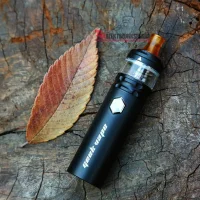
How to Switch from Smoking to Vaping?
When transitioning from smoking to e-cigarettes, the goal is not to use both products long-term, but to quit combustible cigarettes completely. Choosing the right device, proper usage, and professional support can make this process easier.
Quitting smoking is not just about walking away from nicotine. Smoking can be tied to many daily routines, such as hand-to-mouth habits, taking breaks, moments of stress, post-coffee rituals, and social environments.
E-cigarettes can help some adult smokers manage nicotine cravings and behavioral habits associated with smoking. However, results vary from person to person, and e-cigarettes are not completely risk-free.
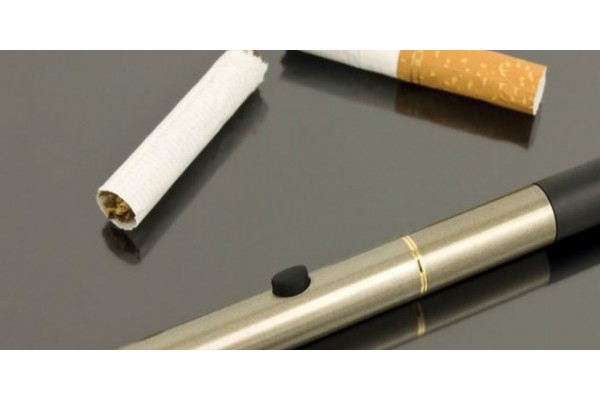
Can E-Cigarettes Help You Quit Smoking?
Current scientific reviews indicate that nicotine-containing e-cigarettes can assist certain adults in quitting smoking. Effectiveness depends on choosing the right product, adequately managing nicotine cravings, individual motivation, and behavioral support.
However, e-cigarettes do not guarantee cessation for every user. Nicotine addiction may persist, and research into long-term effects remains ongoing. E-cigarettes are not recommended for non-smokers, youth, or women who are pregnant or breastfeeding.
Who is it suitable for?
Adults who currently smoke and aim to quit combustible tobacco.
Who should not start?
Non-smokers, children, teenagers, pregnant women, and breastfeeding mothers.
7 Steps for a Successful Transition
Set Your Quitting Target
When switching to e-cigarettes, decide when you want to stop smoking conventional cigarettes completely. While some people can switch instantly, others prefer a short reduction period. If making a gradual transition, avoid leaving the timeline open-ended and keep complete cessation as the ultimate goal.
Choose an Easy-to-Use Device
Picking a complex first device can make the learning curve frustrating. A simple filling mechanism, easy coil or pod replacements, adequate battery capacity, and adjustable airflow offer great advantages for beginners.
Determine Your Vaping Style
Beginners seeking a tight draw similar to a cigarette usually find Mouth-To-Lung (MTL) devices more familiar. Conversely, Direct-To-Lung (DL) devices with open airflow produce higher vapor volume and require a different inhaling technique.
Use E-Liquid Compatible with Your Device
The nicotine type and VG/PG ratio of your e-liquid must suit your setup. Liquid formulated for low-power compact pod systems may perform differently than liquid used in high-power sub-ohm hardware.
Learn Proper Inhalation Technique
Unlike smoking, which often involves short and hard puffs, vaping generally demands a slower, steady, and controlled draw. Before taking your first puff on a new coil or pod, allow time for the wick to saturate completely with e-liquid.
Identify Your Smoking Triggers
Coffee, alcohol, meals, stress, or social settings where others smoke can challenge your transition. Recognizing moments when cravings spike allows you to plan ahead and handle those scenarios effectively.
Seek Professional Support
Smoking cessation clinics and healthcare professionals can assess your dependence level and provide guidance on proven treatment options beyond e-cigarettes. Behavioral support significantly increases overall quit rates.
Which Device Is Best Suited for Beginners?
For first-time users, the most advanced or highest-wattage device isn't always the best choice. What matters most is that the device aligns with your habits, remains easy to manage, and supports a sustainable switch.
| Device Type | Operation & Features | Who Is It Best For? |
|---|---|---|
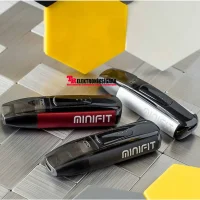
| MTL Pod System | Tight draw, lower wattage, discreet vapor production | Users seeking a draw similar to a traditional cigarette |
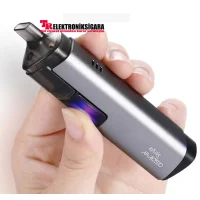
| Adjustable Pod Mod | Offers customizable airflow and wattage settings | Users who prefer greater control over their experience |
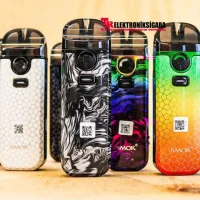
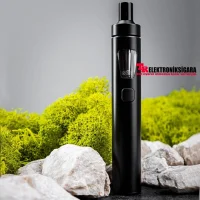
| Sub-Ohm Mod | High power, wide-open draw, dense vapor production | Experienced users or those who prefer Direct-To-Lung (DL) vaping |
Checklist when choosing a device
- MTL or DL vaping style preference
- Availability of replacement coils and pods
- Battery capacity
- Ease of refilling
- Airflow adjustment options
- Compatibility with your preferred e-liquid type
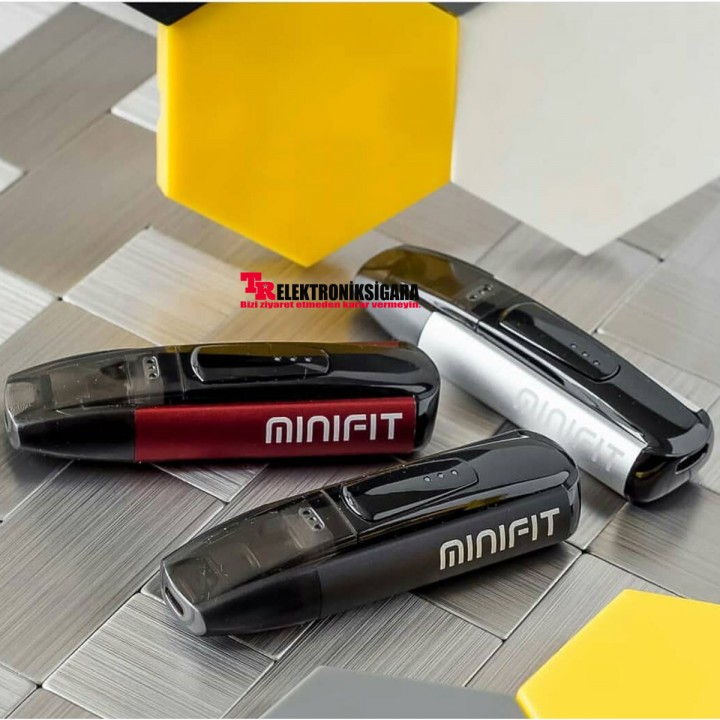
Key Considerations for E-Liquid and Nicotine Selection
Nicotine requirements vary greatly among people switching from smoking. Recommending a nicotine strength solely based on daily cigarette count isn't always accurate. Factors such as how soon you smoke after waking up, draw style, device wattage, and daily consumption volume are equally important.
If the nicotine concentration is too low, cravings may persist, tempting users to return to cigarettes. Conversely, if it is too high, it may cause mild side effects such as nausea, dizziness, headaches, or an elevated heart rate.
Freebase E-Liquid
Delivers a more pronounced throat hit. Recommended nicotine levels should be chosen carefully based on the hardware used.
Nicotine Salt E-Liquid
Provides a smoother throat hit even at higher nicotine strengths. Typically used with low-wattage MTL devices and pod systems.
How to Vape Correctly?
While smoking involves quick, firm pulls, vaping generally requires longer, slower, and controlled draws. Your technique will depend on whether your device is designed for MTL or DL use.
Why Dual Use Should Not Be Extended
Some users may both smoke and vape during the initial phase of their transition. However, simply cutting down on daily cigarettes does not eliminate the health risks associated with combustible tobacco.
The end goal of switching to vaping should always be to eliminate conventional cigarettes completely. Prolonged dual use exposes the body to combustion byproducts while continuing nicotine dependence.
The transition timeline varies for everyone, but smoking conventional cigarettes should not be maintained indefinitely.
Troubleshooting Common Initial Issues
| Issue | Potential Cause | Recommended Action |
|---|---|---|
| Persistent cigarette cravings | Nicotine strength or usage frequency may be too low | Seek professional guidance and evaluate product suitability |
| Coughing or throat irritation | Inappropriate draw style, PG ratio, or nicotine level | Inhale more slowly and check e-liquid compatibility |
| Burnt taste | Coil was not primed properly or wattage is set too high | Prime new coils and operate within recommended wattage ranges |
| Dizziness or nausea | Possible excessive nicotine intake | Pause usage and monitor symptoms |
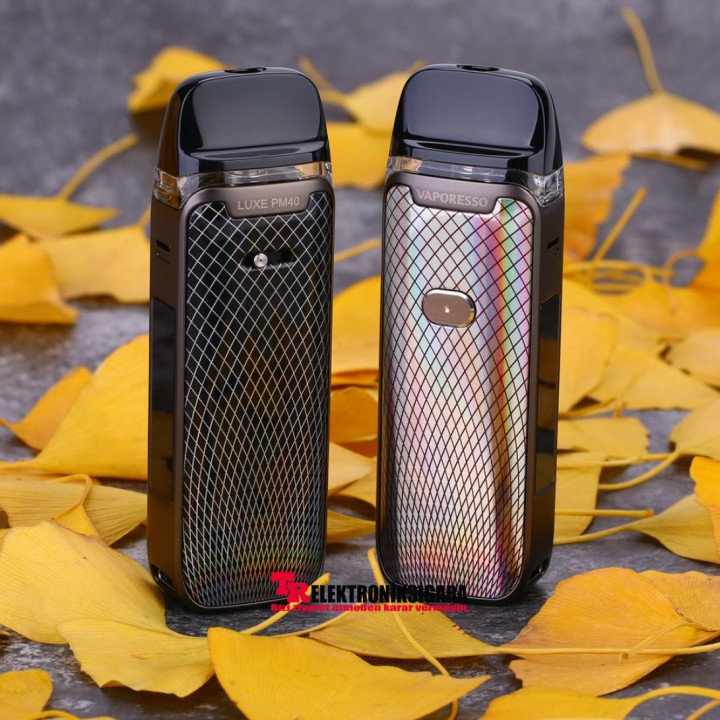
Practical Tips for a Smoother Transition
- Keep your device charged and ready for use.
- Always keep spare coils or pods on hand.
- Refill your tank or pod before it runs completely empty.
- Keep cigarette packs out of sight.
- Limit exposure to environments that trigger smoking urges during early days.
- Track smoke-free days rather than counting missed cigarettes.
- If you slip up and smoke, don't view it as total failure—recommit to your target.
- Consider seeking professional support from a smoking cessation clinic.
Explore Pod Systems and E-Liquids
Learn more about product specifications, pod system types, and various e-liquid categories.
Pod Systems Premium E-Liquids Salt Nicotine InfoCochrane – Electronic Cigarettes for Smoking Cessation
NHS – Stop Smoking Products Guide
UK Nicotine Vaping Evidence Update
For e-cigarette usage, device selection, and maintenance guides, visit the TRELEKTRONİKSİGARA blog section.
Health Warning: This content is provided for general informational purposes and does not constitute personalized medical advice. E-cigarettes are not completely risk-free, and nicotine is addictive. Individuals seeking to quit smoking are encouraged to consult healthcare professionals or smoking cessation specialists.