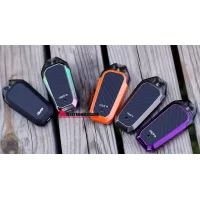
Can You Bring E-Cigarettes on an Airplane?
Electronic cigarettes and vape devices can generally only be carried in carry-on baggage. Placing the device in checked baggage, using it during the flight, or charging it is strictly prohibited due to safety regulations.
Passengers traveling with e-cigarettes must keep three distinct sets of regulations in mind: lithium battery safety, liquid transportation rules, and the destination country's regulations regarding e-cigarettes.
According to the International Air Transport Association's (IATA) current passenger baggage guidelines, electronic cigarettes, vape devices, and spare lithium batteries must be carried in carry-on baggage. The primary reason is that any potential lithium battery issues can be addressed quickly inside the cabin.

Quick Overview: What Goes Where?
| Item | Carry-on Baggage | Checked Baggage | Note |
|---|---|---|---|
| E-cigarette Device | Yes | No | Must be completely turned off and protected against accidental activation |
| Spare Lithium Batteries | Yes | No | Each battery must be stored in a separate case; terminals protected from short circuits |
| E-liquid | Subject to liquid limits | Usually Yes | Destination country import and possession rules must also be checked |
| Empty Tank or Pod | Usually Yes | Depends on policy | Should be packed securely against leaks caused by pressure changes |
This table summarizes general flight safety guidelines. The final decision rests with the airline, security staff, and local regulations of the relevant country.
Why Aren't E-Cigarettes Allowed in Checked Baggage?
E-cigarette devices typically contain lithium-ion batteries. If a battery is damaged, short-circuited, or accidentally fired, it poses a risk of overheating and fire.
While flight crews can handle a battery-related issue inside the cabin promptly, detecting and responding to a fire hazard in the aircraft's cargo hold is far more difficult. That is why electronic cigarettes and spare batteries are restricted to carry-on baggage.
- Turn the device off completely.
- Prevent accidental pressing of the firing button.
- Enable the button lock feature if available.
- Remove removable batteries from the device.
- Place the device in a protective case to prevent impact.
- Detach the tank or cartridge and pack it securely against leaks.
How Should Spare Batteries Be Carried?
Removable e-cigarette batteries such as 18650, 20700, or 21700 should never be loosely tossed into a bag. Contact between battery terminals and keys, coins, or other metal objects can cause a short circuit.
Correct Transport
Carry each battery in a separate, durable battery case. Ensure that the battery wrap is not torn or damaged.
Incorrect Transport
Do not carry loose batteries in pockets, luggage, or bags alongside metallic objects.
Can You Charge E-Cigarettes on an Airplane?
No. Under IATA rules, charging e-cigarette devices or their batteries during a flight is strictly prohibited. The presence of a USB port at your seat does not mean these devices can be charged.
The device must remain powered off and unused throughout the flight. Always verify the airline's latest policies regarding portable chargers and power banks as well.
Can E-Liquid Be Taken on a Plane?
E-liquids are subject to the same security checkpoint regulations as other liquids. At most international airports, liquids in carry-on baggage must be stored in individual containers of 100 ml or less and placed in a transparent, resealable plastic bag.
However, because liquid policies may differ depending on the airport and screening technology, you should always refer to the official limits stated on your ticket or the airport's official website.
To prevent leaks
- Ensure bottle caps are tightly closed.
- Place liquid bottles in a separate, sealed bag.
- Do not fill your tank completely to the brim.
- Whenever possible, travel with empty tanks or pods.
- Store filled pods upright in a sealed plastic bag.
Why Do Tanks and Pods Leak During Flights?
As the aircraft gains altitude, cabin pressure changes. Trapped air inside a tank or pod expands, forcing the e-liquid out through the airflow vents. Consequently, a tank that performs flawlessly on the ground may leak during flight.
Transporting empty tanks is the safest approach. If keeping them empty is not feasible, reducing the liquid level, closing the airflow vents, and storing the tank in a separate bag will help prevent leaked liquid from damaging other belongings.

Can Coil Building Supplies and Tools Be Carried?
Vapers using RTAs or RDAs may carry maintenance supplies such as wire, cotton, tweezers, pliers, scissors, and screwdrivers. Sharp or pointed tools can present issues at cabin security checkpoints, so transport rules for these tools should be verified with the airline and airport.
It is generally safer to avoid putting sharp maintenance tools in carry-on baggage. However, if your destination country restricts the import of e-cigarettes or related parts, packing them in checked luggage does not relieve you of legal liability.
Can You Use E-Cigarettes at the Airport?
Airport regulations regarding e-cigarette use vary widely. Some airports permit e-cigarettes only in designated outdoor smoking areas, while others prohibit their use throughout the entire terminal premises.
Do not assume e-cigarettes are allowed wherever conventional cigarettes are permitted. Check airport signage or ask airport staff. Vaping outside designated areas can lead to fines or denial of boarding.
Can You Use E-Cigarettes on an Airplane?
E-cigarette use is strictly prohibited throughout the entire flight. This prohibition extends to aircraft lavatories.
E-cigarette aerosol can be mistaken for smoke by flight crew and passengers, triggering safety procedures and potentially setting off detection systems. Failure to follow cabin crew instructions can result in civil or criminal penalties.
Why Should You Check the Destination Country's Laws?
E-cigarette laws vary significantly across different countries. In some regions, usage is legal while sales are restricted; in others, importing nicotine-containing liquids is prohibited. Certain countries enforce penalties for bringing e-cigarette devices into the country or possessing them.
Relying on outdated online lists of "banned countries" is risky. Because regulations change frequently, you should review the following resources right before traveling:
- The official customs authority of the destination country
- The destination country's health or trade ministry
- Official travel advisories from your local ministry of foreign affairs
- The restricted items page of your operating airline
- Regulations of any transit countries and airports along your route
Pre-Travel Final Checklist
☐ Checked my airline's e-cigarette policy.
☐ Verified destination and transit country regulations.
☐ Kept my device out of checked baggage.
☐ Powered down my device and secured it against accidental firing.
☐ Placed spare batteries in separate protective cases.
☐ Packed e-liquids in compliance with liquid rules.
☐ Sealed tanks and pods in plastic bags to guard against leaks.
☐ Understand that using or charging the device during flight is forbidden.
Explore E-Cigarette Models
Learn more about e-cigarette models available in various sizes and feature sets.
View E-Cigarette ModelsIATA Passenger Baggage Rules
Turkish Airlines Restrictions and Prohibited Items
Pegasus Dangerous Goods Regulations
For e-cigarette usage, maintenance, and travel guides, check out the TRELEKTRONİKSİGARA blog content.
Notice: This content is provided for general informational purposes. Because airline rules and national laws change frequently, please refer to official announcements on your travel date.