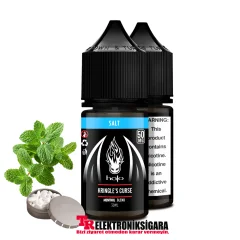
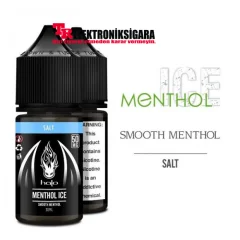
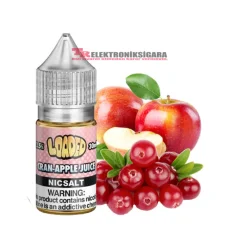
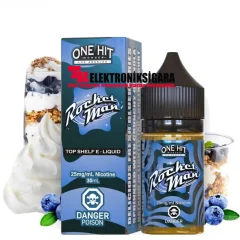
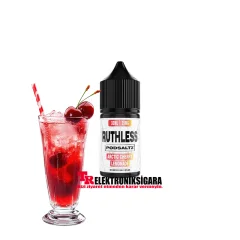
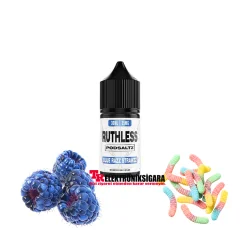
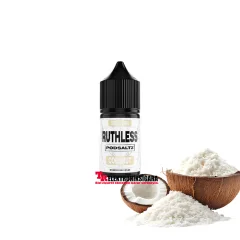
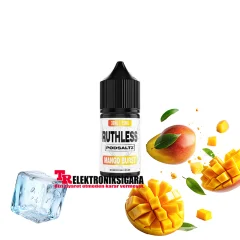
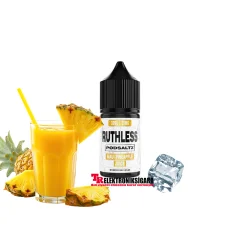
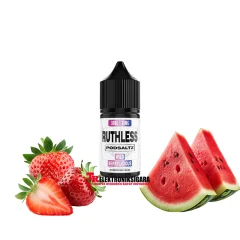
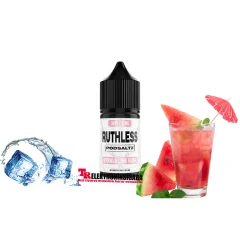
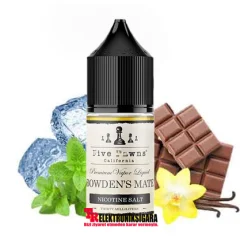
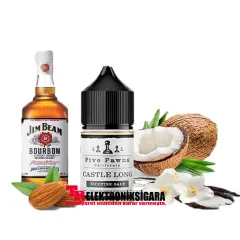
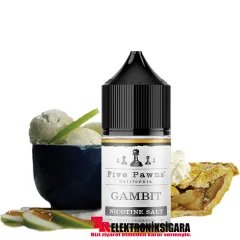
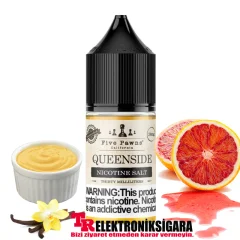
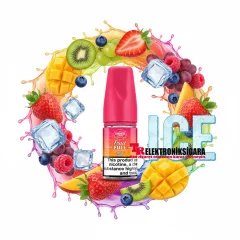
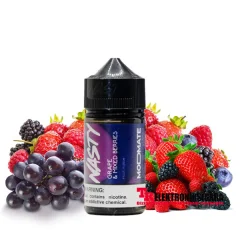
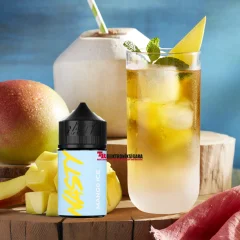
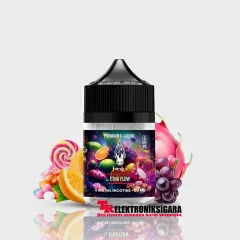
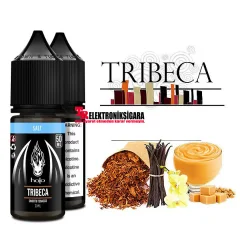
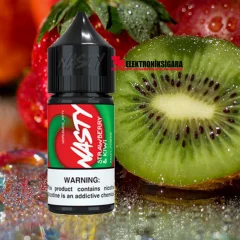
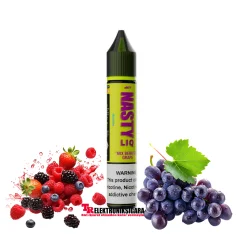
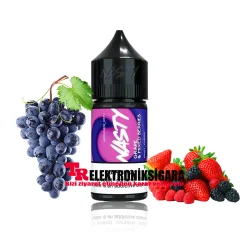
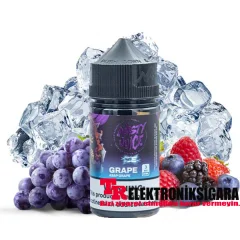
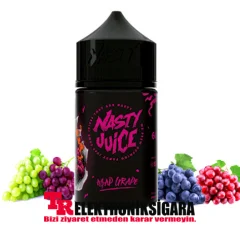
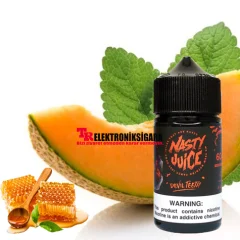
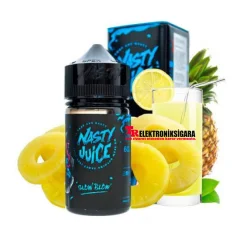
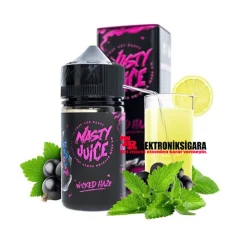
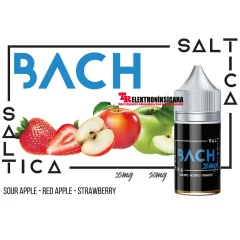
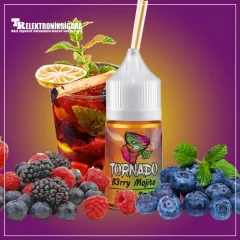
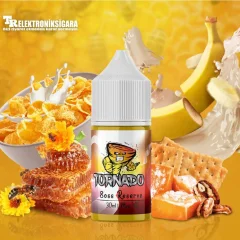
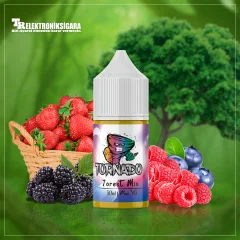
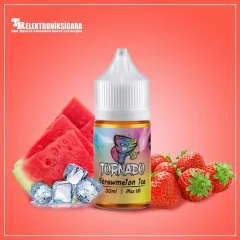
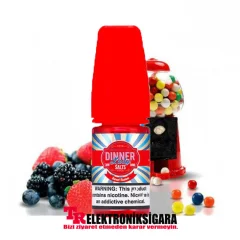
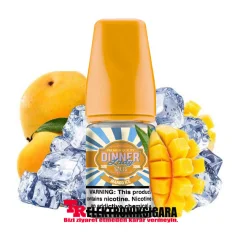
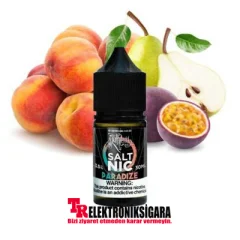
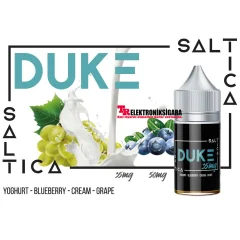
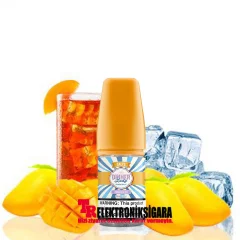
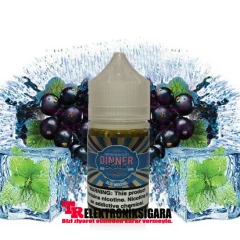
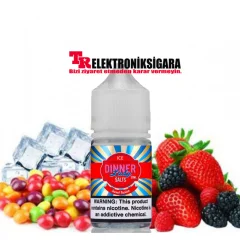
Mixed liquid refers to a broad product group where two or more aroma characters are brought together in the same electronic cigarette liquid. While fruit blends make up a significant portion of this category, mixed liquids are not limited to fruity options alone; different aroma families such as tropical fruits, berry aromas, ice/fresh profiles, beverages, desserts, coffee, caramel, vanilla, nuts, and tobacco can be combined in the same recipe.
The main purpose of mixed liquids is not just to feature the character of a single aroma, but to create a more complex profile where multiple aroma layers can be tasted together. For instance, while mango and forest fruits can form a tropical-fruity mix, strawberry, pineapple, and coconut can bring together different sweetness and tropical characters in the same product.
Therefore, when choosing a mixed liquid, it is important to look not only at the product name, but also at the primary aromas it contains, the level of freshness, the VG/PG ratio, the nicotine value, and the Salt or Freebase formulation of the product.
Mixed Liquid is a general category definition used for electronic cigarette liquids where multiple aroma notes are used together in a single liquid recipe.
Manufacturers can combine different aromas to balance characteristics such as sweetness, tartness, freshness, creamy character, or roasted notes.
For example, while strawberry-kiwi can be a simpler blend of two fruits, more complex products utilizing three or more aromas—such as apple-peach-strawberry, mango-berry, or kiwi-passion fruit-guava—can also be found.
The term mixed liquid does not necessarily mean the product is fruity, sweet, or refreshing. The exact taste profile should be understood from the product description.
Types of mixed liquids can be divided into different groups based on the aroma families used.
Mixed Fruit Liquid refers to liquids where two or more fruit aromas are brought together within the same product.
In these types of blends, one fruit can be used as the main character while other fruits add sweetness, tartness, or aroma depth to the product. For instance, combinations like apple-watermelon, strawberry-kiwi, or apple-peach-strawberry are among the profiles encountered in current products.
The term Mixed Fruit alone does not show the number of fruits or which fruit is dominant. Therefore, the exact aroma description of the product should be examined.
Tropical mixed liquids cover products where tropical or exotic profiles such as mango, pineapple, passion fruit, guava, dragon fruit, and coconut are used in the same recipe.
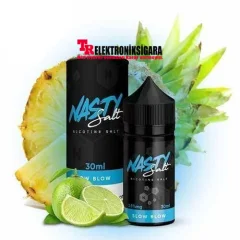
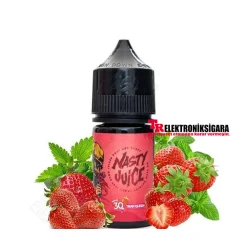
In products combining mango and berry aromas, tropical sweetness and forest fruit character can exist in the same profile. Combinations like pineapple, strawberry, and coconut can bring together fruity and creamy tropical characters.
You can also examine broader tropical profiles in the exotic fruity liquid category.
Mixed Berry Liquid refers to products where multiple berry or forest fruit aromas are brought together.
Aromas such as strawberry, blueberry, raspberry, and blackberry can be used in the same recipe. In some products, mango or different tropical fruits can also be added to the berry character to make the fruit profile more complex.
Berry blends can be found both in classic versions without freshness and in options with added Ice or Menthol characters.
Options where a refreshing or cool character is added to mixed fruit profiles can generally be named with expressions such as Ice, Iced, Fresh, Cool, or Frozen.
For example, Ice versions of apple-watermelon, melon-berry, strawberry-raspberry, or tropical fruit combinations can be found.
However, it should not be assumed that a mixed fruity product is necessarily mentholated or refreshing. The Ice and No Ice versions of the same or similar aroma profile can be offered as separate products.
For more information on options with a refreshing character, the Fresh Liquid category can also be examined.
The mixed liquid category does not cover fruit profiles exclusively. Multiple aromas can also be used in the same recipe for sweet and bakery aromas.
For example, combinations like coffee-caramel, chocolate-cream, biscuit-vanilla, custard-caramel, or ice cream-cookie can create more complex dessert profiles.
While the roasted character and sweetness reside in the same profile in products combining coffee and caramel aromas, a more intense bakery character can emerge in biscuit and custard combinations.
Such products can also overlap with coffee flavored liquid, caramel flavored liquid, or biscuit flavored liquid categories.
Mixed tobacco liquids cover products where tobacco aroma is used alongside different complementary profiles.
Options where tobacco is brought together with caramel, vanilla, honey, coffee, hazelnut, pistachio, or various nut aromas can be found.
In these products, auxiliary aromas can add sweetness, a creamy structure, or different roasted notes to the product instead of completely eliminating the tobacco character.
Therefore, the expression "mixed liquid" should not be used solely for fruity cocktail profiles.
The expression Cocktail Liquid can be used in some products to explain that multiple fruit, beverage, or aroma characters are used in the same recipe, and therefore it significantly overlaps with the Mixed Liquid category.
However, the use of the word "cocktail" does not mean the product necessarily contains alcoholic beverages. Names like Mojito, cocktail, punch, or lemonade mostly define the targeted aroma profile.
Important: The presence of an expression like "Cocktail", "Mojito", "Punch", "Drink", or similar in the product name does not show real beverage or alcohol content on its own. The manufacturer's description should be taken as basis for exact content information.
A ready mixed liquid is not the same thing as different liquids or aromas being mixed together by the user.
In mixed liquids, the aroma recipe is determined by the manufacturer and the product is offered in a ready formulation. Which aromas and proportions are used within the product depend on the manufacturer's recipe.
Therefore, a ready product like "Mixed Fruit" or "Tropical Mix" does not mean randomly mixing different bottles together.
Mixed aroma profiles can be found in both Salt Liquid and Freebase Liquid formulations.
For instance, the high VG Freebase version of the same aroma profile consisting of mixed forest fruits and tropical fruits can be produced separately from the Salt version aimed at pod systems.
Additionally, mixed berry and tropical mix products are also available in 50VG/50PG Freebase formulations.
Therefore, it is incorrect to classify the Mixed Liquid category solely as Salt, solely Freebase, solely MTL, or solely DTL.
One of the technical specifications that must be checked when choosing a mixed liquid is the VG/PG ratio. VG and PG are carrier components commonly used in electronic cigarette liquids.
While balanced blends like 50VG/50PG can be compatible with many low-power pod and MTL systems, Freebase products with higher VG ratios such as 70VG/30PG are generally used in sub-ohm and DTL systems equipped with wider liquid feeding channels.
However, the type of aroma blend does not determine the VG/PG ratio. The same aroma families like Mixed Berry, Tropical Mix, or Dessert Mix can be prepared in different formulations geared toward different devices.
For exact compatibility, the recommendations of the device and coil manufacturer used must be taken into account.
The best mixed liquid varies according to personal aroma preference. Those who prefer fruity and vibrant profiles can look into Mixed Fruit or Berry Mix options, while those who enjoy more tropical tastes can check out products containing mango, ananas, passion fruit, and guava.
Those who want a more refreshing character can evaluate Ice or Fresh blends. Users who like sweet profiles can lean toward caramel, vanilla, biscuit, custard, and coffee combinations.
Users wanting a more complex aroma without completely giving up the tobacco character can examine blend options where tobacco is combined with caramel, vanilla, or nuts.
During selection, the product's primary aroma components, level of freshness, VG/PG ratio, Salt or Freebase structure, nicotine level, bottle volume, and device-coil compatibility should be evaluated together.
In mixed liquids, the aroma description carries more importance than the product name. Names like "Tropical Mix", "Mixed Fruit", or "Berry Blend" express broad aroma groups, and products with the same name from two different brands can possess completely different recipes.
The primary and auxiliary aromas inside the product, whether an Ice or Menthol character is present, and which aroma is dominant should be examined.
Alongside this, the nicotine level, VG/PG ratio, Salt or Freebase formulation, bottle volume, and compatibility with the device used must be checked.
Mixed liquid prices can vary depending on the brand, product series, bottle volume, country of production, nicotine option, and the product's Salt or Freebase formulation.
Products in the same Mixed Liquid category can have different aroma counts, aroma profiles, volumes, and technical specifications. Therefore, comparing solely based on retail prices rather than evaluating all features of the product together would be less accurate.
When mixed liquid varieties and prices are examined, a quite wide product range can be encountered, spanning from simple two-fruit combinations to Mixed Fruit and Tropical Mix profiles utilizing three or more aromas; from Berry Ice options to dessert and tobacco blend products.
You can examine products from different brands together in the TRELEKTRONİKSİGARA Mixed Liquid category; by comparing the primary aroma components, level of freshness, VG/PG ratio, nicotine option, Salt or Freebase structure, bottle volume, and other technical features, you can evaluate the options suitable for your electronic cigarette device and aroma preference.