What is CRC? What Does CRC Mean in E-Cigarettes?
CRC (Child-Resistant Certification) refers to child-resistant packaging and product design requirements aimed at preventing children from easily accessing the e-liquid inside e-cigarettes and e-liquid products.
CRC applications, particularly encountered in e-cigarette products in the Canadian market, aim to reduce the risk of children unintentionally accessing e-liquids that may contain nicotine. To achieve this, the product's tank, pod, filling mechanism, or packaging can be designed in a way that children cannot easily open.
In CRC-compliant products, it is not only the external appearance of the device that matters, but also the structure of the parts where e-liquid can be accessed. Components such as the fill cap, tank, pod, or bottle cap may feature a child-resistant opening and closing mechanism.
Why is CRC Important?
E-cigarette liquids are produced for adult users, and liquids—especially those containing nicotine—must be stored out of reach of children. The primary goal of CRC systems is to minimize the likelihood of children coming into direct contact with e-liquids or accidentally opening the product.
For this reason, child-resistant design is not only found on e-liquid bottles, but also in refillable pod, cartridge, and tank systems.
CRC and the ISO 8317 Standard
One of the concepts you might encounter alongside CRC is the ISO 8317 standard. ISO 8317 is an international standard concerning the evaluation of child-resistant requirements for reclosable packaging.
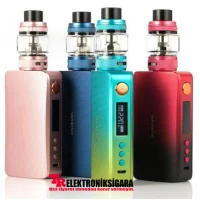
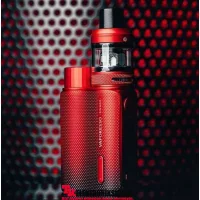
A child-resistant design approach has been utilized in several products developed by Vaporesso, resulting in different tanks, pods, and filling mechanisms engineered to comply with CRC requirements.
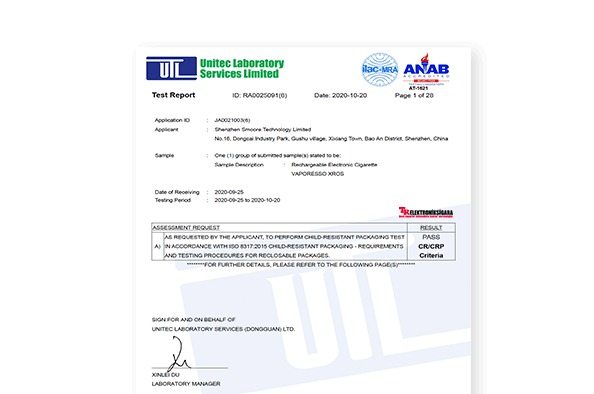
CRC Certification
In determining CRC compliance, it is evaluated whether the product or packaging meets the relevant safety requirements. Manufacturers must develop their products in accordance with applicable standards and the regulations of the countries in which they operate.
Therefore, seeing the CRC label on an e-cigarette product indicates that the product features design elements specifically intended to make it harder for children to access the e-liquid.
How Are CRC-Certified E-Cigarette Products Different?
At a glance, there may not be a major visible design difference between CRC-compliant products and standard versions. The real difference usually lies in the internal structure of the tank, pod, or filling mechanism.
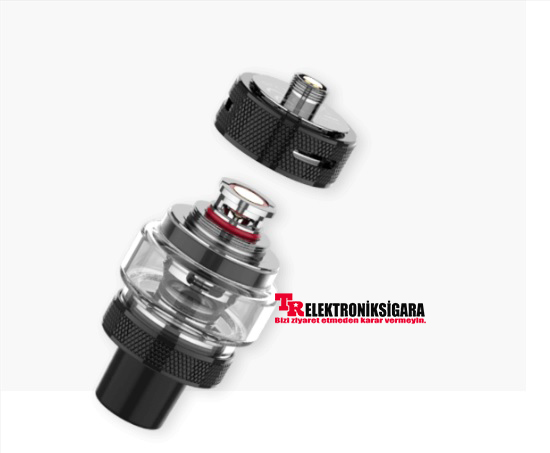
Additional safety mechanisms can be incorporated into the internal and external structure of the pod or tank to restrict direct access to the e-liquid. While some products require multiple simultaneous actions—such as pushing down and twisting—to open the cap, other systems employ special locking fill mechanisms.
CRC-Compliant Packaging
In the CRC system, not only the e-cigarette device itself but also the packaging structure of the product can play an important role. To understand which standards a product was developed under, the informational and safety markings on the box should be reviewed.
Information regarding CRC or the relevant child-resistant packaging standard can be found on the product packaging. When purchasing a product, attention should be paid not only to the model name of the device, but also to which market version it was manufactured for.
CRC-Compliant Pod Systems
In terms of child resistance, one of the most critical components of pod systems is the e-liquid filling section. Instead of a standard fill cap that opens easily, CRC-compliant models may feature additional mechanisms that make accessing the fill port more difficult.
The Press To Fill (PTF) system used in certain Vaporesso products serves as an example. In this system, the filling mechanism is designed to automatically close after the e-liquid refill is completed.
The goal of such systems is to allow adult users to perform their daily refilling routine while making it difficult for children to directly access the e-liquid reservoir.
CRC-Compliant E-Cigarette Tanks
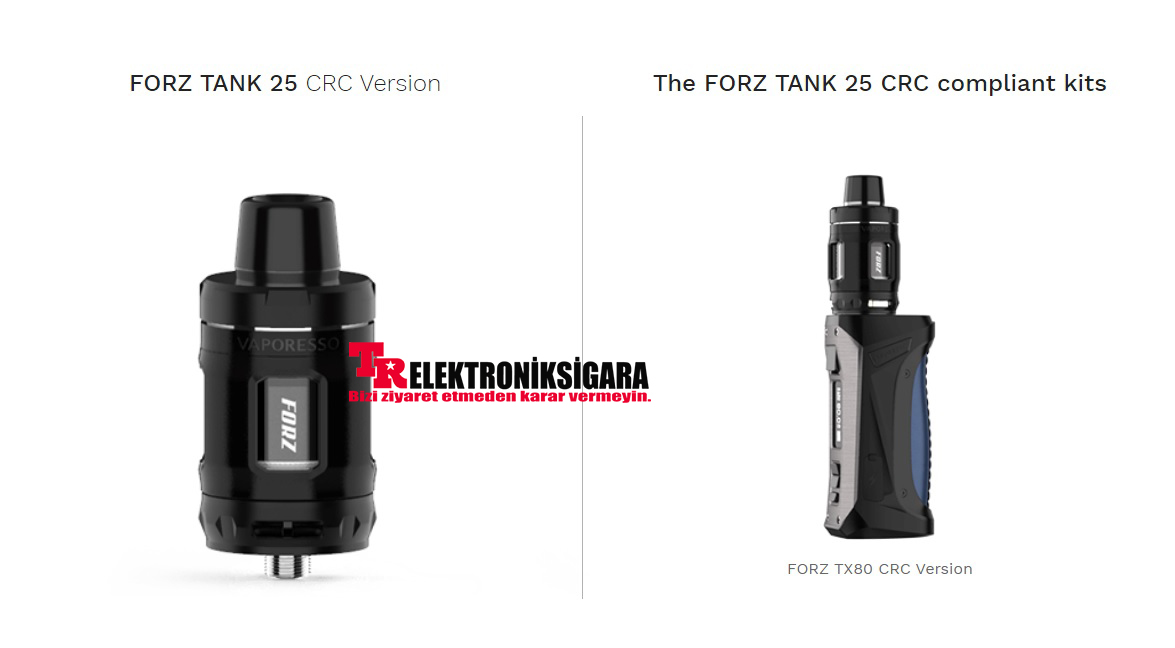
CRC designs are not limited to pod systems. Traditional e-cigarette tanks can also feature child-resistant filling mechanisms.
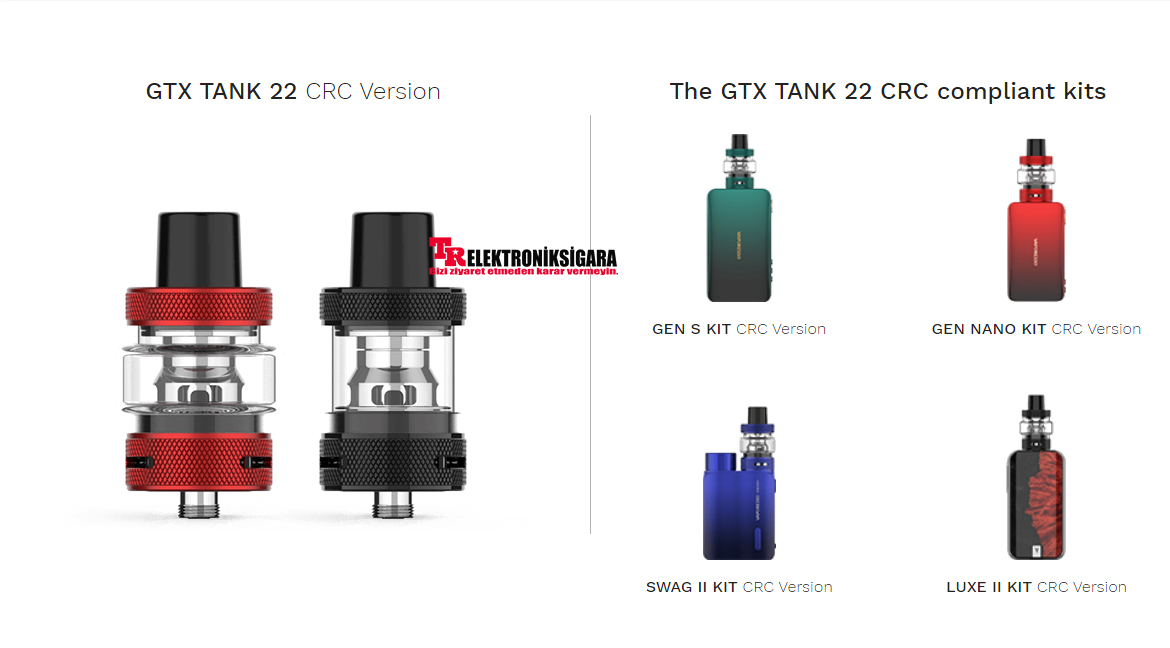
For example, the Vaporesso GTX Tank 22 CRC version utilizes a distinct mechanism to prevent the fill port from being opened easily. In these types of systems, opening the cap may require an additional motion compared to a standard tank cap.
What is the Difference Between Non-CRC and CRC-Compliant Products?
Different market versions of the same e-cigarette model may exist for different countries. As a result, despite sharing the same model name, differences in the tank, pod, fill cap, or packaging structure can occur.
The primary purpose of CRC versions is not to alter the device's performance, but to provide additional security against children in sections where e-liquid is accessible. Therefore, while the wattage output or overall usage performance remains identical between the two versions, the filling system may differ.
Does CRC Completely Prevent Children From Opening the Product?
The concept of CRC or child-resistant packaging does not mean that a product can never be opened by children under any circumstances. The goal of these systems is to significantly hinder access to the product and reduce the risk of accidental opening.
Even when using a CRC-compliant product, e-cigarette devices, e-liquids, coils, and other components should always be stored in secure locations out of reach of children.
General Evaluation of CRC in E-Cigarettes
CRC is an important safety approach designed to make it harder for children to access liquid, particularly in e-cigarette tanks, pod systems, and e-liquid packaging.
Manufacturers like Vaporesso have developed CRC versions of certain devices to comply with regulations across different markets. In these versions, modifications aimed at increasing child resistance can be observed, particularly in the filling mechanism, tank, or pod structure.
For more informative content on e-cigarettes, pod systems, atomizers, coils, and general usage, you can explore the articles available on the TRELEKTRONİKSİGARA Blog.
Important: Child-resistant mechanisms are developed to provide additional safety. E-cigarette devices, and especially e-liquids containing nicotine, must always be stored where children cannot reach them.