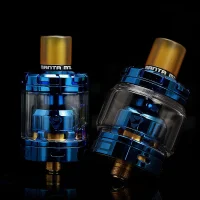
What Is an Atomizer? E-Cigarette Atomizer Guide
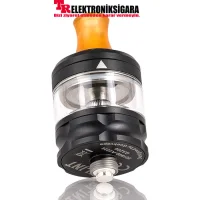
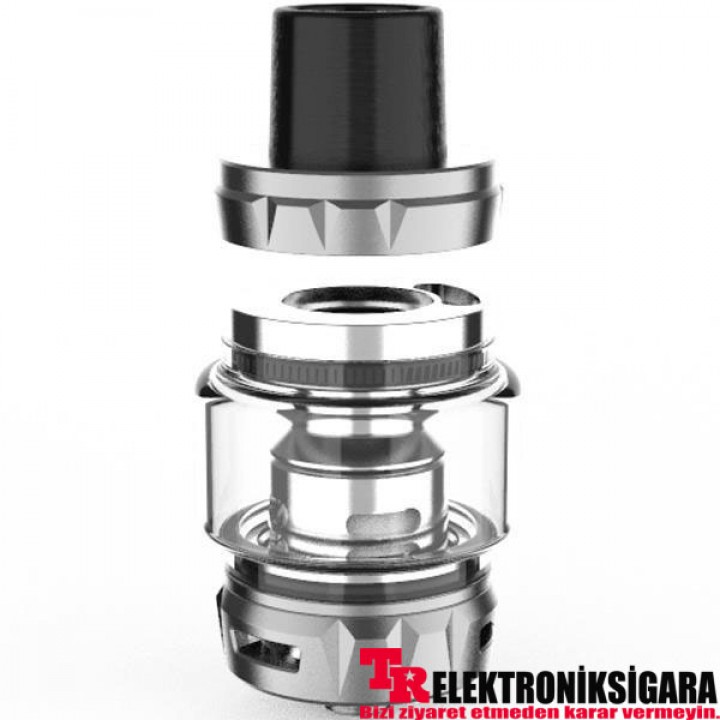
An atomizer is one of the core components of an electronic cigarette that heats the e-liquid to generate aerosol. Inside an atomizer, you will typically find parts such as a coil, cotton wick, airflow channels, liquid reservoir, and mouthpiece.
In an e-cigarette device, electrical energy from the battery is transferred to the coil. When the coil heats up, the e-liquid held within or surrounding the cotton wick is vaporized into an aerosol, which is then inhaled by the user through the mouthpiece.
Therefore, an atomizer is not merely a "liquid tank"; it is an integrated system where the coil, airflow, and liquid wicking system work in harmony.
How Does an Atomizer Work?
The operating principle of an atomizer relies on the interaction between the coil, cotton wick, and e-liquid. The e-liquid is absorbed by the cotton and heated when the coil fires.
The generated aerosol passes through the internal airflow channels of the atomizer to reach the drip tip (mouthpiece).
An atomizer's overall performance is not determined by coil resistance alone. Airflow design, wattage settings, coil structure, wicking capacity, and the e-liquid formulation used all play a role in total performance.
What Parts Are Inside an Atomizer?
- Coil: The heating element section that vaporizes the e-liquid
- Cotton: The wicking material that absorbs e-liquid and feeds it to the coil
- Tank: The e-liquid reservoir or chamber
- Airflow Channel: Regulates draw resistance and vapor density
- Drip Tip: The mouthpiece section
- Fill System: Allows e-liquid to be added to the tank
- 510 Connection: Threaded interface connecting most atomizers to a mod
What Is Atomizer Resistance (Ohm)?
The electrical resistance value of the coil used in an atomizer is measured in units of Ohms (Ω).
For instance, you will encounter resistance values such as 0.15Ω, 0.4Ω, 0.8Ω, or 1.2Ω. However, determining how a device should be used based solely on coil resistance is inadequate.
Every coil has a specific wattage range recommended by the manufacturer, which should serve as your primary operational guide.
What Does Low Ohm Atomizer Mean?
Low-resistance coils are generally designed to operate at higher power levels. Atomizers using these coils typically feature airier draw characteristics and denser aerosol production.
Low-ohm setups generally consume higher amounts of battery power and e-liquid. However, it is important to note that not all low-resistance coils share identical usage profiles today.
For example, certain 0.6Ω or 0.8Ω coil options in modern pod systems are specifically calibrated for MTL or RDL vaping styles.
What Does High Ohm Atomizer Mean?
Higher-resistance coils typically operate at lower wattage outputs and are frequently utilized in MTL systems with tighter draw resistance.
Operating at high resistance and low power generally results in lower battery drain and reduced e-liquid consumption.
Does Atomizer Resistance Affect Vapor Production?
Resistance is one factor influencing vapor output, but it is not the sole variable.
Key factors that influence overall vapor production include:
- Coil resistance
- Wattage output setting
- Coil heating surface area
- Mesh vs. traditional round wire construction
- Airflow volume
- Wicking rate and juice flow capacity
- E-liquid VG/PG ratio
Therefore, rather than relying on a absolute rule like "lower ohms always yield more vapor," the complete technical design of the coil and setup must be evaluated.
What Is an MTL Atomizer?
In MTL (Mouth to Lung) atomizers, aerosol is drawn into the mouth first before being inhaled into the lungs, mimicking traditional cigarette draw mechanics.
MTL atomizers feature tighter airflow controls, lower wattage requirements, and predominantly higher resistance coil selections.
What Is a DL Atomizer?
In DL (Direct Lung) atomizers, aerosol is inhaled directly into the lungs. These setups utilize open airflow channels and coil architectures engineered for heavy vapor output.
DL atomizers typically feature larger tank capacities, wider air intakes, and larger coil physical dimensions compared to MTL systems.
What Is an RDL Atomizer?
RDL (Restricted Direct Lung) represents a slightly restricted direct-to-lung draw positioned directly between MTL and DL styles.
Many modern atomizers with adjustable airflow can deliver both RDL and DL vaping characteristics depending on the chosen coil and setting.
What Is a Sub-Ohm Atomizer?
Sub-ohm atomizer is a general term applied to atomizer systems operating with coil resistances under 1.0Ω.
Sub-ohm tanks are typically engineered for high airflow and dense aerosol production. However, not every sub-1.0Ω coil on the market today is intended for classic high-wattage DL vaping.
What Is a Factory Coil Atomizer?
In atomizers using pre-built replacement coils, the coil unit is manufactured ready-to-use. The user simply inserts the coil head into the tank housing and replaces it with a new one once its lifespan ends.
These systems offer convenience since no manual rebuilding or wicking is required.
What Is an RTA Atomizer?
An RTA (Rebuildable Tank Atomizer) is a tank system where the user builds and wicks their own custom coils manually.
Because RTAs use raw wire and cotton instead of pre-packaged replacement coil heads, they require technical knowledge and ongoing maintenance.
What Is an RDA Atomizer?
An RDA (Rebuildable Dripping Atomizer) is a rebuildable atomizer style without a standard tank reservoir, where e-liquid is dripped directly onto the exposed coils and cotton wick.
What Is an RDTA Atomizer?
An RDTA (Rebuildable Dripping Tank Atomizer) is a hybrid rebuildable design combining functional characteristics of both RDAs and tank atomizers.
Why Is Atomizer Airflow Important?
Airflow inside an atomizer directly determines draw resistance, turning a pull tight or airy.
Closing down the air intake results in a tighter draw, while opening it provides a smoother, high-volume airflow inhalation.
An adjustable airflow control system is a key feature, especially on atomizers compatible with multiple coil options.
What Is a Top-Airflow Atomizer?
In top-airflow atomizers, the air intake vents are positioned near the top section of the tank structure. This layout alters internal air routing and significantly helps prevent liquid leakage out of the base.
What Is a Bottom-Airflow Atomizer?
In bottom-airflow atomizers, air enters beneath the coil and channels directly up into the heating surface.
This design represents a classic airflow layout used across many sub-ohm and MTL atomizers for years.
Is Atomizer Liquid Capacity Important?
Tank volume capacity is particularly important for high-wattage setups with high e-liquid consumption rates.
While DL systems frequently offer 5 ml, 6 ml, or larger tank sizes, smaller reservoirs are usually sufficient for low-consumption MTL setups.
How to Check Compatibility Between Atomizer and Mod?
Physical mounting of an atomizer onto a mod does not automatically guarantee full operational compatibility.
Verify the following parameters together:
- 510 connection thread fit
- Atomizer outer diameter (mm)
- Coil resistance range limits
- Coil wattage demand
- Mod power output capability
- Battery continuous discharge limits and safety overhead
How to Select an Atomizer Coil?
When choosing replacement coils, always verify which coil platform family your specific atomizer model accepts.
Different atomizer models from the same brand often use completely incompatible coil systems. Therefore, do not purchase coils based on brand name alone.
Always follow the resistance ratings and recommended wattage ranges printed on the coil body.
First-Time Use of a New Atomizer Coil
When installing a brand-new coil, fill the tank with e-liquid and refrain from firing the device immediately.
Waiting approximately 10 to 15 minutes after filling allows the cotton wick to fully saturate, preventing dry burns and premature coil damage.
Why Does an Atomizer Leak E-Liquid?
E-liquid leakage in an atomizer can stem from several factors:
- Improperly seated or loose coil
- Worn, torn, or missing O-ring seals
- Top fill cap left open or unsealed
- Exhausted coil lifespan
- Incorrect VG/PG liquid viscosity
- Overfilling the reservoir
- Leaving the device unused with a full tank for extended periods
Why Does an Atomizer Give a Burnt Taste?
A burnt taste occurs when the cotton wick inside the coil is insufficiently saturated with e-liquid during firing.
Setting the wattage too high, chain vaping rapidly, running liquid levels too low, or failing to prime a new coil properly will burn the cotton.
How to Clean an Atomizer?
During e-liquid flavor changes or routine maintenance, the detachable structural components of an atomizer can be cleaned.
Non-electronic metal and glass parts should be rinsed following manufacturer maintenance guidelines and dried completely before reassembly.
Pre-built replacement coils are non-washable consumables and must be replaced rather than rinsed with water when worn out.
What to Consider When Choosing an Atomizer?
- Preferred vaping style (MTL, RDL, or DL)
- Coil options and availability
- Long-term coil market availability
- E-liquid tank capacity
- Atomizer diameter (mm)
- Top vs. bottom airflow design
- Refill mechanism
- Wattage requirements vs. mod output limits
- Availability of spare glass tubes and replacement O-rings
Frequently Asked Questions About Atomizers
Are an atomizer and a tank the same thing?
In daily conversation, "tank" and "atomizer" are often used interchangeably. Technically, an atomizer is the broader system that includes the coil, heating element, and housing.
What should an atomizer's ohm value be?
There is no single ideal ohm value. Resistance should be chosen based on your preference for MTL, RDL, or DL vaping and the coil's recommended wattage range.
Is a lower ohm coil always better?
No. Low ohm and high ohm coils serve different vaping styles and preferences. Choosing the resistance suited to your usage style is what matters most.
Will any atomizer fit on any mod?
No. Threading (usually 510), physical diameter, coil resistance, and power requirements must all be checked for compatibility.
When should an atomizer coil be replaced?
A coil should be replaced when flavor output degrades noticeably, a burnt taste occurs, or vapor production drops significantly.
General Assessment of Atomizers
The atomizer is the core aerosol-generating component of an electronic cigarette. The coil, wicking material, airflow system, and liquid chamber operate together to define the device's draw performance.
When choosing an atomizer, look beyond just resistance values and evaluate vaping style (MTL/RDL/DL), coil platform availability, wattage ranges, airflow design, tank capacity, and mod compatibility as a whole.
To explore our atomizer varieties, you can use the MODELS link.
Information: Atomizer and coil specifications vary by model. Always operate coils within the resistance and wattage limits specified by the manufacturer.